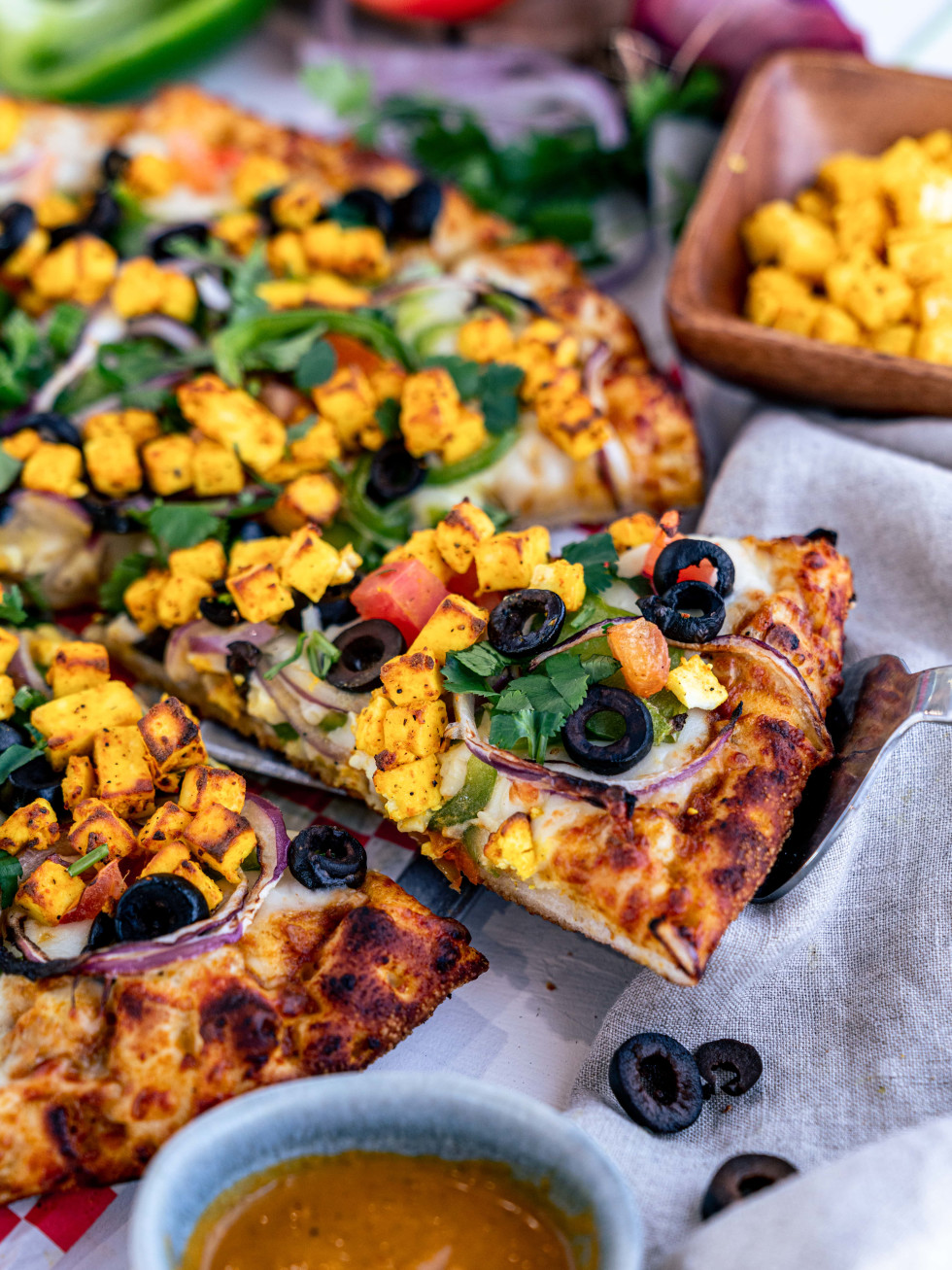
Pizza is one of the most popular comfort foods in the world. From classic cheese slices to creative fusion flavors, pizza offers something for everyone. But many people still wonder how healthy is pizza and whether it can fit into a balanced diet.
The truth is that pizza can be both nutritious and indulgent depending on the ingredients used, crust style, and portion size. Options such as thin crust, vegetable toppings, and lighter cheese portions can make a big difference in the nutritional value of a slice.
Understanding how pizza is prepared and how toppings affect its nutritional profile can help you enjoy pizza while keeping health in mind.
Pizza: Healthy or Unhealthy?
The question how healthy is pizza does not have a simple answer. Pizza contains a mix of carbohydrates, protein, fats, and essential nutrients.
When prepared with excessive cheese, processed meats, and thick crusts, pizza can be high in calories and sodium. However, when made with fresh ingredients and balanced toppings, pizza can provide valuable nutrients.
For example, tomato sauce contains antioxidants like lycopene, while cheese supplies protein and calcium. Whole ingredients and moderate portions can help turn pizza into a satisfying and balanced meal.
Nutrition Facts
The nutritional value of pizza depends on the type of crust, toppings, and serving size. A typical slice of pizza contains several important nutrients.
Average nutrition for one slice of pizza:
- Calories: 250–300
- Protein: 10–12 grams
- Carbohydrates: 30–35 grams
- Fat: 10–12 grams
- Calcium: around 20% of the recommended daily value
Tomato sauce also contributes vitamins and antioxidants, while cheese provides protein and calcium for bone health.
Potential Health Benefits
Pizza can provide several benefits when made with quality ingredients.
Protein for Energy
Cheese and meat toppings contain protein that helps maintain muscles and provides energy.
Calcium for Bone Health
Cheese used in pizza contains calcium, which supports strong bones and teeth.
Antioxidants from Tomatoes
Tomato sauce contains lycopene, a powerful antioxidant associated with heart health.
Customizable Ingredients
Pizza can easily include vegetables such as spinach, onions, peppers, and mushrooms, adding fiber and nutrients.
These benefits show that pizza can be part of a balanced meal when prepared thoughtfully.
Is Cheese Pizza Healthy?
Many people ask is cheese pizza healthy compared with other pizza types.
Cheese pizza is actually one of the simpler pizza options. It usually contains tomato sauce, mozzarella cheese, and pizza dough. Because it does not include processed meats like pepperoni or sausage, it often has lower sodium and fat levels.
However, portion size still matters. One or two slices can be part of a balanced meal, while larger portions can quickly increase calorie intake.
Is Margherita Pizza Healthy?
Another common question is is margherita pizza healthy.
Margherita pizza is often considered one of the healthier pizza options because it uses fresh and simple ingredients:
- Tomato sauce
- Fresh mozzarella
- Basil
- Olive oil
This pizza contains fewer toppings and usually less sodium than heavily loaded pizzas. Its fresh ingredients also provide antioxidants and nutrients.
Is Thin Crust Pizza Healthier?
Many people wonder is thin crust pizza healthier than regular pizza.
Thin crust pizza generally contains fewer calories and carbohydrates because it uses less dough. This means the overall calorie count per slice is often lower compared to thick crust pizza.
For people looking for lighter options, thin crust pizza can be a good choice.
At restaurants like Curry Pizza House, thin crust options allow customers to enjoy flavorful pizzas with a lighter base.
Is Gluten Free Pizza Healthy?
People with gluten sensitivity often ask is gluten free pizza healthy.
Gluten-free pizza uses alternative flours such as rice flour, almond flour, or cauliflower crust. These options make pizza accessible for people who cannot consume gluten.
However, the overall nutritional value still depends on toppings and portion size. Choosing vegetable toppings and lighter cheese can help keep gluten-free pizza balanced.
Benefits of Pizza
Despite its reputation as indulgent food, pizza offers several benefits when prepared properly.
- Provides protein and calcium
- Contains antioxidants from tomato sauce
- Can include vegetables for added nutrients
- Offers flexible topping choices for different diets
Because pizza is highly customizable, it can be adapted to fit many dietary preferences.
Tips for a Healthier Slice
A few simple adjustments can make pizza healthier while keeping its flavor.
Choose Thin Crust
Thin crust reduces calories and carbohydrates.
Add More Vegetables
Vegetables like spinach, onions, peppers, and mushrooms increase fiber and nutrients.
Reduce Processed Meats
Limiting toppings like sausage and pepperoni can lower sodium and fat.
Watch Portion Size
Eating one or two slices instead of several helps maintain balanced calorie intake.
These tips for a healthier slice allow pizza lovers to enjoy their favorite meal while staying mindful of nutrition.
Customize Your Toppings for Optimal Health
One of the best things about pizza is that it can be customized easily.
Healthy topping choices include:
- Vegetables
- Lean chicken
- Paneer
- Fresh herbs
These toppings add flavor without excessive calories.
Many people also enjoy fusion pizza options that combine bold spices with traditional ingredients. Restaurants like Curry Pizza House offer creative pizzas that blend global flavors with classic pizza preparation.
Where Delicious Meets Dietary Need
Modern pizzerias now provide a variety of pizza styles that cater to different dietary needs. From thin crust and gluten-free options to vegetarian toppings and fusion pizzas, customers have many choices.
By selecting lighter crusts, balanced toppings, and reasonable portions, pizza can remain an enjoyable meal that fits into a healthy lifestyle.