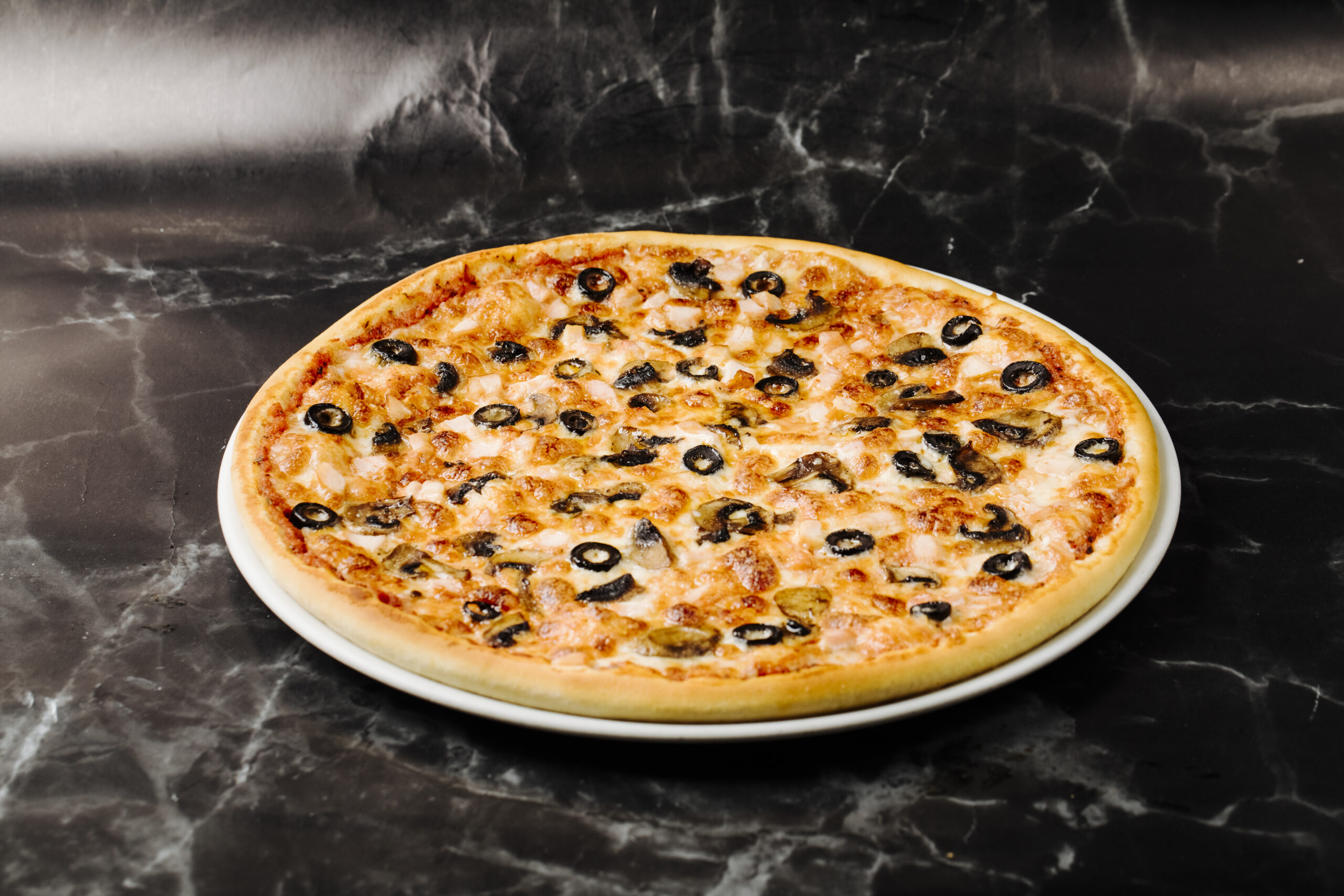
Pizza dough is the foundation of every pizza, shaping the texture, thickness, and bite of the finished crust. Made with ingredients such as flour, water, yeast, and salt, dough can be prepared in different ways to create thin, crisp, soft, or chewy crusts. At Curry Pizza House, dough is made in-store and is never frozen, reflecting the restaurant’s focus on fresh, craft pizza.
In this guide, we’ll explain what pizza dough is, what goes into it, how it becomes a crust, and how different dough options can change your pizza experience.
What Is Pizza Dough Made Of?
The main pizza dough ingredients are simple, but each serves a purpose:
- Flour: Gives the dough structure.
- Water: Hydrates the flour and helps form the dough.
- Yeast: Helps the dough rise and develop texture.
- Salt: Adds flavor and supports dough development.
- Oil: Some recipes use oil to influence texture and handling.
The exact ingredients and proportions can vary depending on the pizza style and recipe.
How Is Pizza Dough Made?
So, how is pizza dough made? The process generally starts by combining the ingredients to create a dough. The dough is then worked or kneaded to develop its structure.
After resting or proofing, the dough becomes easier to shape. It can then be stretched into the desired size and thickness before sauce, cheese, and toppings are added. Baking transforms the prepared dough into the finished pizza crust.
The process can vary depending on the restaurant and style of pizza.
Pizza Dough vs. Pizza Crust: What’s the Difference?
Pizza dough and pizza crust are related but refer to different stages.
Pizza dough is the prepared mixture before baking.
Pizza crust is the baked result of that dough.
For example, the dough is shaped and topped before entering the oven. Once baked, it becomes the crust that supports the sauce, cheese, and toppings.
What Are the Different Types of Pizza Dough?
Different types of pizza dough can create very different crust experiences.
Thin-Crust Dough
Thin dough produces a lighter base and often provides a crispier bite. It is a good choice for people who want more emphasis on the toppings.
Thick or Pan-Style Dough
A thicker dough creates a more substantial crust with a softer texture and can provide additional support for toppings.
Hand-Tossed Dough
Hand-tossed pizza dough is stretched or shaped by hand. It can provide a balanced crust with a combination of softness, chewiness, and crispness.
Gluten-Free Dough
Gluten-free pizza dough is made without traditional gluten-containing ingredients. It provides an alternative for customers who avoid gluten, although its texture can differ from regular dough.
What Makes Pizza Dough Soft, Crispy, or Chewy?
The final texture depends on several factors, including the dough’s preparation, thickness, shaping, and baking.
A thin base can become crispier, while a thicker base generally provides a softer and more substantial bite. The way dough is shaped can also influence the thickness of the finished crust.
The toppings can matter as well. A crust needs enough structure to support the sauce, cheese, vegetables, meat, or specialty toppings without becoming difficult to eat.
Can Pizza Dough Be Gluten-Free or Vegan?
Pizza dough can be adapted for different dietary needs.
Gluten-free dough avoids traditional gluten-containing ingredients. Customers with allergies or medical dietary requirements should always check current ingredient and allergen information.
Vegan pizza dough refers to dough made without animal-derived ingredients, but the complete pizza must also use suitable cheese, sauces, and toppings.
Curry Pizza House’s published allergen information identifies regular pizza dough, gluten-free crust, cauliflower crust, and vegan cheese options.
For specific dietary concerns, review the restaurant’s allergen information before ordering.
How Does Pizza Dough Work With Different Pizza Styles?
Pizza dough provides the foundation for the flavors and toppings placed on top. A lighter crust can let toppings stand out, while a more substantial crust can work well with heavier combinations.
This is particularly useful when comparing traditional and Indian-inspired pizzas. Curry Pizza House’s menu includes both classic pizzas and craft pizzas, as well as vegan and gluten-free pizza choices.
The restaurant’s menu features a range of toppings and combinations, allowing customers to choose between familiar flavors and more distinctive options.
What Pizza Dough Options Does Curry Pizza House Offer?
Curry Pizza House provides several options for customers with different preferences. Its published allergen information lists regular pizza dough, gluten-free crust, and cauliflower crust, along with regular and vegan cheese options.
The restaurant also has a broad menu that includes classic pizzas, craft pizzas, and dedicated vegan and gluten-free pizzas.
You can explore the Curry Pizza House menu to compare available pizza choices.
How Should You Choose a Pizza Crust?
Your choice can depend on both taste and dietary needs:
- Prefer a crisp, lighter bite? Consider a thinner crust.
- Want a more substantial base? A thicker crust may be preferable.
- Like a balanced texture? A hand-tossed style can be a good option.
- Avoid gluten? Look for a gluten-free crust and check allergen information.
- Have dietary restrictions? Review the ingredients and available alternatives before ordering.
The best choice ultimately depends on the toppings you enjoy and the type of crust you prefer.
FAQs
Is pizza dough the same as bread dough?
No. Although they can share basic ingredients, pizza dough is prepared specifically to create a pizza crust and is handled differently depending on the pizza style.
Why does pizza dough need to rest?
Resting allows the dough to develop and relax, making it easier to shape while contributing to the final texture.
What makes pizza dough chewy?
Chewiness can be influenced by the ingredients, dough development, thickness, shaping, and baking process.
Can pizza dough be made without yeast?
Yes. Some recipes use alternative methods to create dough without yeast, although the resulting texture can be different.
Is pizza dough naturally vegan?
Some basic pizza dough recipes can be vegan, but ingredients vary. The cheese, sauces, and toppings also need to be checked when ordering a vegan pizza.
What is the difference between regular and gluten-free pizza dough?
Regular dough commonly uses wheat-based ingredients, while gluten-free dough is made without gluten-containing ingredients. The texture and handling may also differ.
Conclusion
Pizza dough is the starting point for the pizza crust and plays an important role in its texture, thickness, and overall eating experience. Different dough styles allow customers to choose a crust that matches their preferences and dietary needs.
At Curry Pizza House, customers can explore regular, gluten-free, and cauliflower crust options alongside a broad selection of classic and craft pizzas.